
L.E.A.P (Lived Experience & Applied Performance) In a world of digital overload and growing social isolation, L.E.A.P offers creative, movement-based ways for young people to reconnect—with themselves and with others.
Our theatre workshops foster awareness and empowerment, helping participants engage with their lived experiences through imaginative play. This process provides a safe, inclusive space to explore complex emotions while minimizing the risk of triggering unconscious trauma.
Rather than focusing on performance, L.E.A.P prioritizes trust, storytelling, and resilience through creative play. Grounded in evidence-based, adaptable practices, the program meets diverse needs with care and flexibility.
Combining applied theatre, sensory movement, and reflective practice, participants are invited to explore and reshape the impact of their lived experiences. The project evolves organically, guided by research outlining the positive impact of embodied theatre practice, and is shaped by the voices of those who take part.
A distinctive element of L.E.A.P is our use of micro-phenomenology, a thoughtful, hands-on approach that gently helps the participants uncover shifts in self-awareness, emotions, thought, and connection that traditional verbal research methods often overlook.
What is L.E.A.P?
Who are we
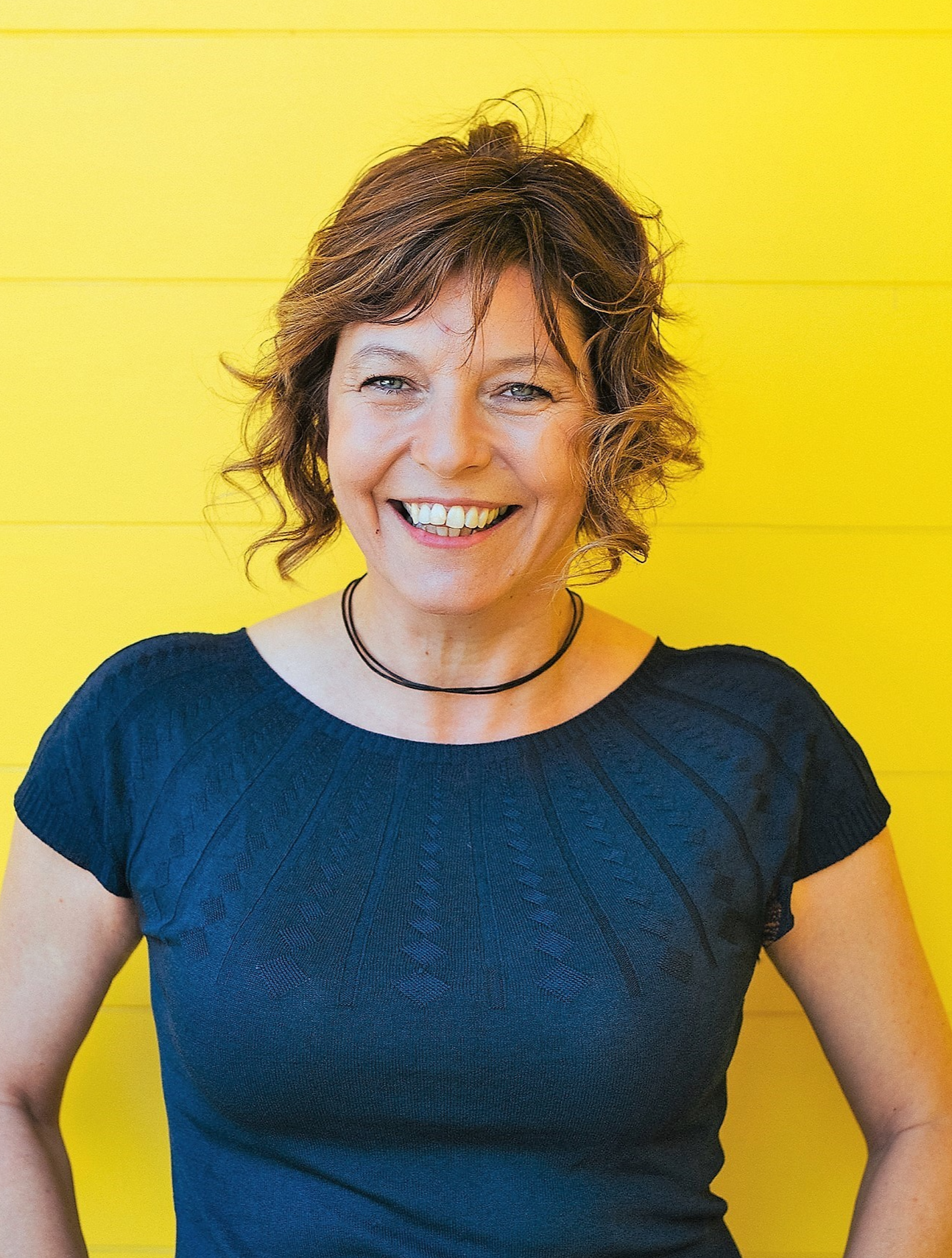
Carine Laughton
Founder
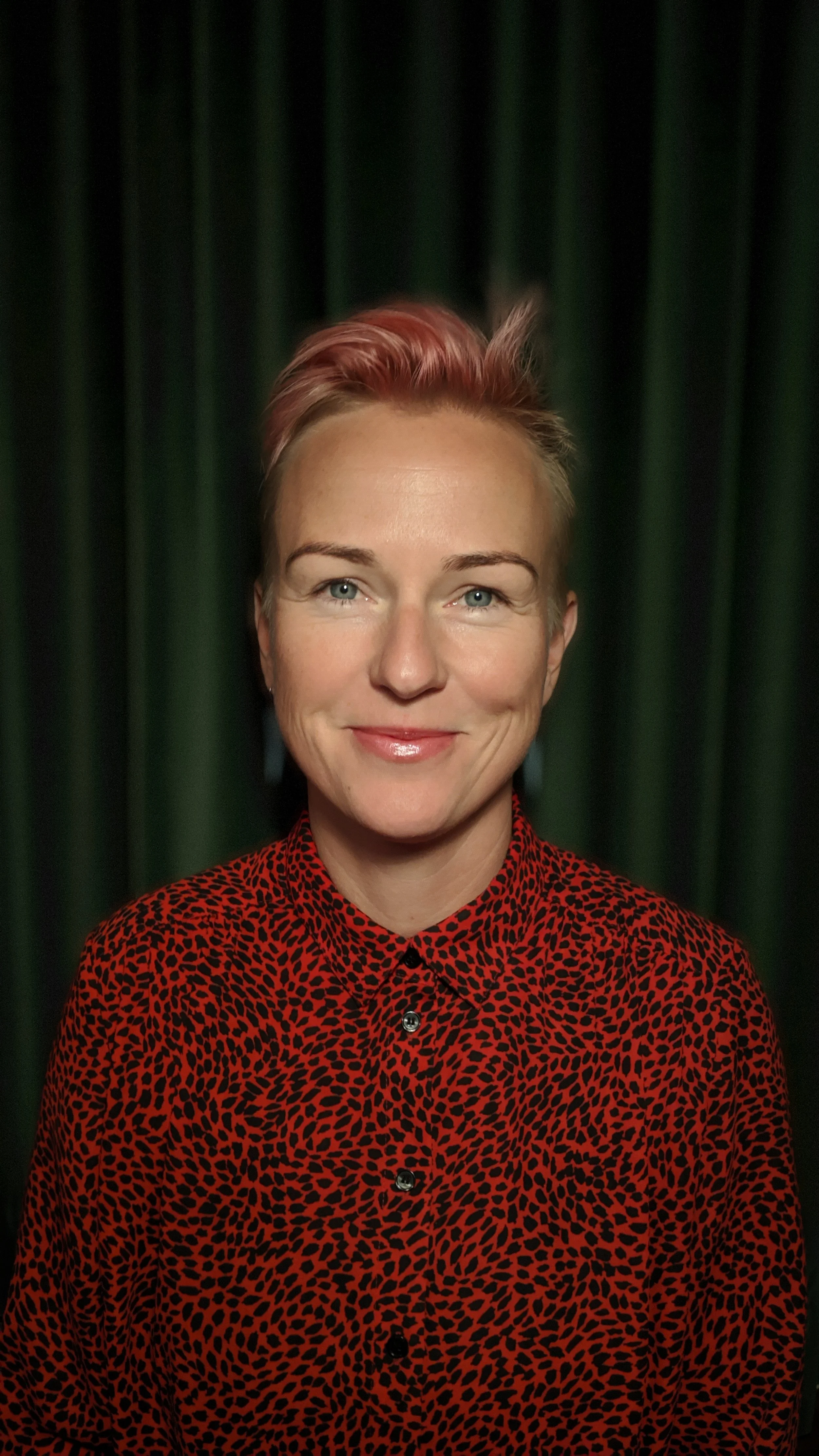
Anne Gotfredsen
Founder
Dr Carine Laughton – Creative and Performing Arts; Applied Theatre practitioner; certified micro-phenomenologist
Dr Carine Laughton is a theatre-maker and academic whose career spans over 25 years across France, Wales, and Australia. With a foundation in special education and socio-cultural youth work, Carine’s creative and scholarly journey has consistently focused on using performance as a catalyst for wellbeing, resilience, and social transformation.
Her formal training began in 1999 with an AFDAS award to study at the prestigious Jacques Lecoq International Theatre School in Paris. She also holds a BAFA Diploma in socio-cultural facilitation (1993), a master’s in education, and a PhD in Theatre and Performance Studies. Since 2019, she has lectured at the University of Newcastle, where she continues to develop innovative approaches to arts-based research and youth engagement. Carine’s practice combines theatrical embodiment with mental fitness frameworks, working extensively with young people in foster care and high-risk environments. She is certified in micro-phenomenology and trained in perceptual psychoeducation via the Danis Bois method enabling her to guide individuals into the pre-reflective dimensions of lived experience — an approach foundational to the L.E.A.P. methodology.
In 2000, Carine co-founded Imibala Theatre Company, a site-specific ensemble committed to intercultural dialogue and youth resilience. Imibala toured in over 22 countries across Europe, Africa, and the Middle East, partnering with institutions such as the French Ministry of Foreign Affairs, Arts Alive (Johannesburg), Pro Helvetia (Switzerland), the U.S. Embassy in Sarajevo, and Alliance Française networks in East Africa. The company’s humanitarian theatre projects earned acclaim for bringing transformative performances to communities facing social and political adversity.
Her later work with Emergency Exit, a nonprofit theatre initiative for at-risk schools in Paris suburbs, and her directorial role at La Ménagerie (2003-2020), reflect her commitment to ethically co-created, trauma-informed practice. Projects such as Exsulo, Polaroids of Exile, The Bestial Parade (Corsica), and Searching for Dionysus were staged with refugee and precarious youth communities, combining poetic narrative with deep social inquiry.
Dr Anne Gotfredsen - PhD in Public Health
Dr Anne Gotfredsen is a public health researcher whose work explores youth mental health and leisure. Based at the Department of Epidemiology and Global Health, Umeå University in Sweden, and currently affiliated with the Centre for Youth Studies, University of Newcastle, Anne brings an interdisciplinary lens to youth wellbeing, drawing on public health, gender and leisure studies.
Her research is grounded in qualitative and participatory methodologies, with a strong emphasis on equity, representation, and relational wellbeing. She has investigated topics such as leisure participation, gendered stressors, and community-based mental health initiatives. Her doctoral thesis, Carving out collective spaces: Exploring the complexities of gender and everyday stressors within rural youth leisure, examined how rural youth—particularly girls—navigate everyday stressors through shared leisure practices, highlighting the importance of collective, non-clinical spaces for emotional resilience.
Anne’s current research explores the loss of leisure during the COVID-19 pandemic and its impact on youth mental health, examining how disruptions to everyday practices have shaped young people's emotional wellbeing and sense of connection.
She has a strong interest in visual and arts-based methods, and has used photo elicitation and participatory photography in her research to centre young people's voices and experiences. Anne’s use of photo methods supports her broader commitment to co-creative and inclusive research practices that challenge traditional hierarchies and foreground lived experience.
She has co-authored several peer-reviewed publications, including studies on Sweden’s youth clinics, cross-sector collaboration in youth mental health, and the role of creativity and belonging in the lives of young people with trans experience.
She holds a PhD in Public Health, an MA in Global Health, and dual BSc degrees in Gender Studies and Political Science. In her private time, Anne has been an active member of the theatre and improv scene for many years, both in Sweden and in Australia.
What does the research say?
A growing body of research highlights the strong link between participation in the arts and improved mental health outcomes. Studies show that creative practices such as theatre, music, and movement can reduce symptoms of anxiety and depression, strengthen emotional resilience, and foster a sense of belonging.
For young people in particular, engaging in the arts provides a safe space to explore identity, build confidence, and develop social connections. International and Australian research has demonstrated that arts-based programs can improve wellbeing, support recovery, and complement traditional mental health services.
While more work is needed, these findings provide a strong foundation for projects like L.E.A.P to explore how creative practice and lived experience can be combined to support youth mental health.
What can the participants expect?
L.E.A.P protocols are designed to make a real difference in young people's mental and emotional wellbeing. They bring together a mix of approaches—dramatherapy, applied theatre, movement and somatic techniques, and Lecoq-inspired training—that are rarely combined in one system. These methods help participants connect with deeper, often unconscious parts of their lived experience through creative and embodied practices.
The program is non-therapeutic and non-stigmatising. It works as a preventive tool to ease rising stress and anxiety, while helping young people stay mentally fit. Through creative activities and externalisation, participants are supported to explore and express themselves in ways that feel safe and empowering. The goal is to strengthen their sense of self—both physically and emotionally—and help them engage with parts of their experience that aren’t always easy to access. This happens through imaginative play and embodied metaphors, in a space designed to foster trust, curiosity, and growth.
L.E.A.P in practice
The L.E.A.P (Lived Experience and Performing Arts) program is designed for young people aged 12–25 and facilitated by two members of the L.E.A.P team.
Duration: 8 sessions, each 2 hours long, delivered over 8 or 16 weeks.
Group Size: 10–15 participants per session, grouped by similar ages.
Partner support: Each group is accompanied by a representative from the partnering community organisation.
The program follows a consistent framework that builds progressively across sessions. The first and final sessions have unique structures and specific outcomes.
Program Structure
Session 1 (Opening) and Session 8 (Closure) follow dedicated protocols.
Core Sessions (Weeks 2–7):
Reconnect and Engage
Each session begins with a rhythmic, playful reconnection ritual, followed by an introduction to the session content.Warm-Up Games
Breathing and movement exercises through theatre games prepare participants for creative work.Improvisation
Techniques include applied theatre (Playback Theatre, Forum Theatre), mask work, silent improvisation, and imaginative role play.Collective Sharing
Guided reflection on actions, emotions, and bodily sensations experienced during improvisations. Themes are participant-driven from Session 1.
Program Values
Indirect, Non-Confrontational Approach
Creativity offers alternative ways to express feelings when words are hard to find.Respect and Confidentiality
All contributions are valued without judgment.Ongoing Evaluation
Impact and effectiveness are assessed during sessions and at program conclusion, including individual interviews.
Space Requirements
Sessions can be held in:
Community centres
Multicultural centres
Schools and after-school programs
Shelters
Wellness centres
Room setup:
A medium-sized space that allows free movement for up to 15 people.
Large classrooms or meeting rooms are suitable if tables and chairs can be cleared.

If you’re missing information, please be patient — the site is under construction.
Contact us
info@leapproject.com.au
Newcastle, NSW, Australia